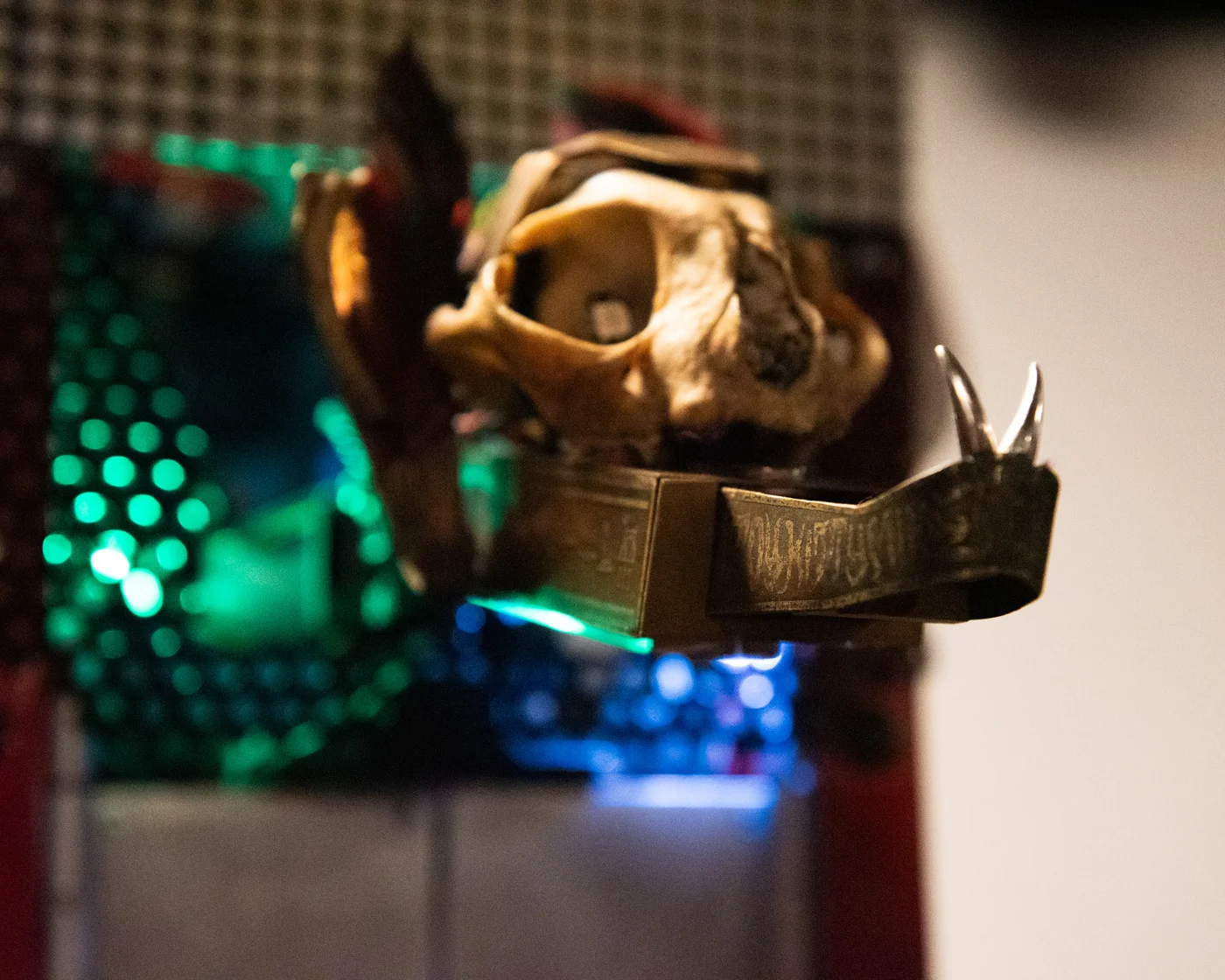
L3NT1L is getting a new brain. The attitude is staying.
At Lentil Industries, we’re rebuilding our talking AI cat from the ground up on our own NVIDIA DGX Spark hardware here in Wales. We’re bringing the models, personality and voice control together in a local system that we can design, run and develop ourselves.
We’re proving that we can design and deploy systems using local AI models while preserving our original personality and voice control. That means keeping what makes L3NT1L recognisable: the humour, Welsh character, strange history and ability to respond to the person in front of him.
A cat with an expensive computer is still required to have a personality.
What we mean by sovereign AI
For us, sovereignty starts with practical control. We own the hardware. We choose which models run on it. We control how the character behaves and how conversations are handled.
NVIDIA provides the computing hardware. Our job is to build the system around it, using existing models alongside our own character design, voice interface and production experience.
Running locally gives us a route towards conversations that stay on the device and a system that can work without a permanent internet connection. We’ll test those capabilities as part of the rebuild.
Keeping the character intact
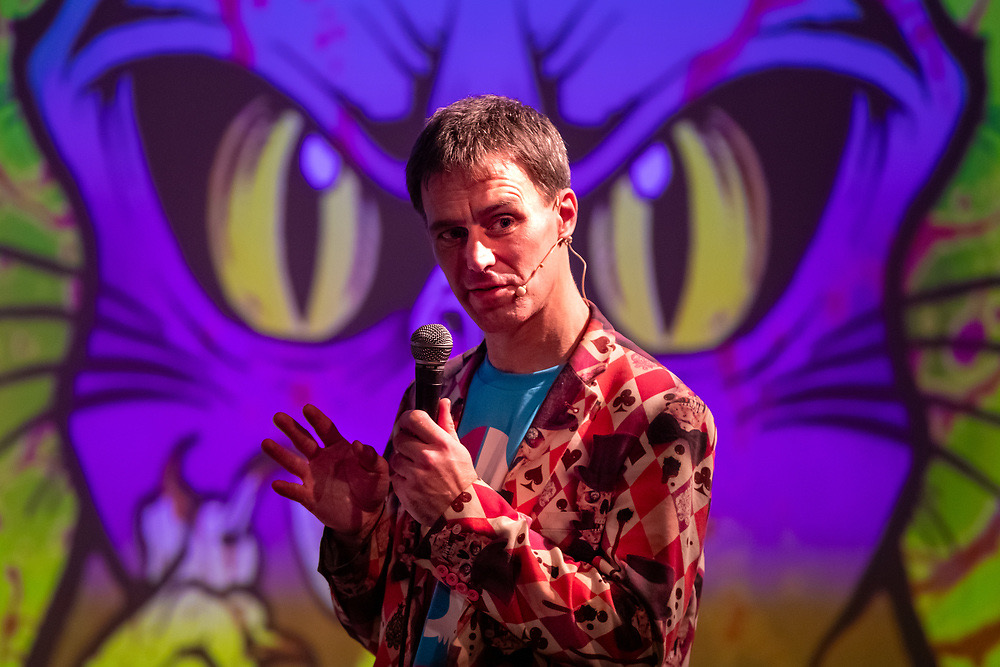
L3NT1L has already appeared in more than 50 shows across six countries, meeting around 3,000 audience members. Those encounters have helped us develop his timing, personality and relationship with an audience.
The rebuild brings that experience into a system we control more closely.
The voice loop is straightforward to describe: listen to someone speaking, turn their speech into text, generate a response through L3NT1L’s character and speak it aloud. Making that feel natural takes work. Speed, interruptions, pronunciation and comic timing all matter. So does knowing when to give a short answer.
Anyone who has met L3NT1L will understand why we’re keeping a close eye on that last one.
A working demo by November
We will have a working demo by November 2026. It will demonstrate local AI models running on our NVIDIA hardware, responding through L3NT1L’s original personality with spoken input and spoken replies.
That demo will give us something concrete to test: how quickly he responds, how consistently he stays in character and how well the whole conversation works.
This is the foundation for the next version of the CatGPT live show and the wider Lentil Industries app. The same work will help us develop conversational AI with more control over privacy, voice and behaviour.
We’ve spent years giving this dead Welsh cat a life on stage. Now we’re building the machinery to let him carry on talking on his own terms.
The future is meow.